

In a society in which physical appearance and image are of increasing concern and, at the same time, social networks take up more and more time in our lives, the phenomenon of the cult of the body arises, which is characterized by the search for bodily perfection and generates, among other things, an increase in physical activity. For this reason, the strategy developed by sports centers on social networks and, specifically, the ethical aspects that come into play are especially relevant. This research aims to delve into these issues by conducting in-depth interviews with community managers (CMs) from a sample of sports centers. The results show that they clearly differentiate between information and advertising, that they hardly resort to promoting external brands, and that their main goal is to build loyalty rather than generate direct income. Likewise, the CMs of Spanish sports centers have a fairly high knowledge and awareness of ethical and legal standards and are mainly concerned with banned content, the warning of advertising content or data protection and their own image, which is a positive evolution compared to previous similar work. It is concluded that it is necessary to establish mechanisms and processes that guarantee transparency in the advertising of this type of content.
Research

Sports centers, social networks and body cult. Analysis of the ethical perceptions of community managers
February 20, 2025
January 16, 2026


Colabora en los próximos números de Comunicación y Hombre
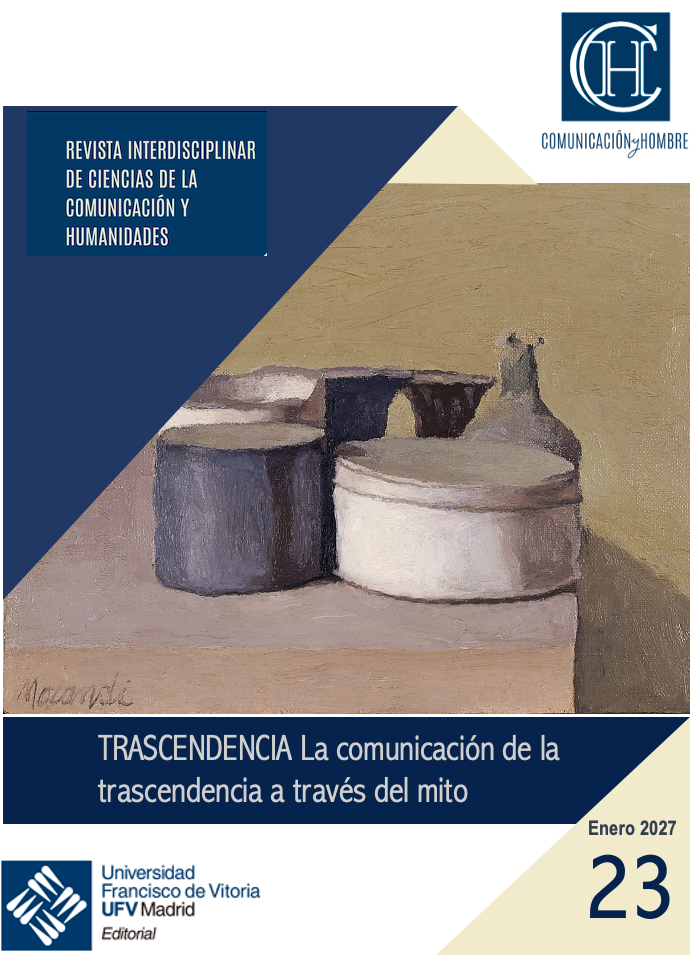
La comunicacion de la trascendencia a través del mito
CALL FOR PAPERS
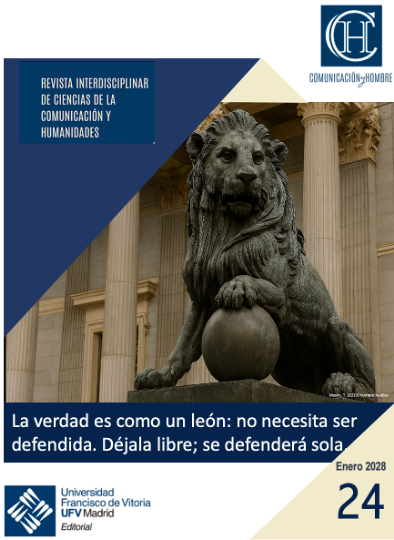
Comunicación política III.
La verdad es como un león: no necesita ser defendida. Déjala libre; se defenderá sola. (San Agustín)
CALL FOR PAPER