

This study explores the impact of the science-radio binomial through ‘Haz (de) Ciencia’, an intervention project developed in the Badajoz Penitentiary Centre, in which inmates participated in the production of 20 popular science podcasts. From an educational-communicative approach, the initiative has favoured the media and scientific literacy of the participants, using the radio as a learning tool. This contribution, carried out behind bars and far from the sensationalism that can surround the life circumstances of these people, has allowed us to analyse the advantages, changes in perception, experiences and experiences they have had in relation to themselves and to research through the activity. In order to demonstrate whether the experience has been viable, a qualitative methodology has been used through the focus group technique. Among the most outstanding conclusions, a positive change towards science is evidenced, strengthening their media competence and at the same time, they recognise the potential of the radio medium to improve their communication skills, as well as to develop their self-esteem and their media and scientific literacy. These findings underline the importance of educommunication in the democratisation of knowledge and the construction of critical citizenship.
Research

Radio as a tool for media and scientific literacy: Implications for social reintegration in prison contexts
April 16, 2025
October 10, 2025


Colabora en los próximos números de Comunicación y Hombre
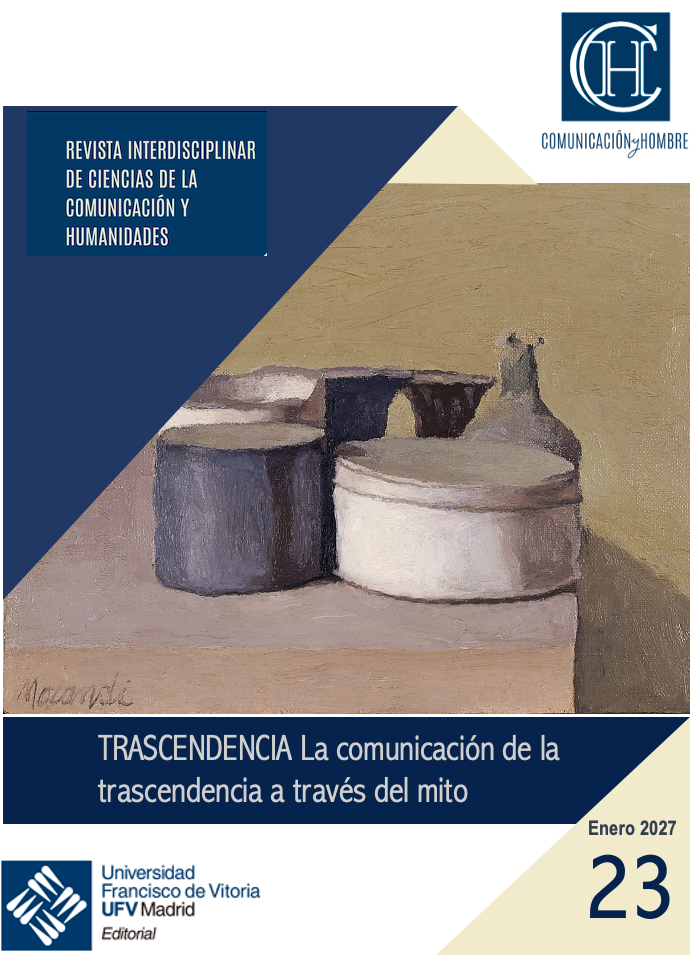
La comunicacion de la trascendencia a través del mito
CALL FOR PAPERS
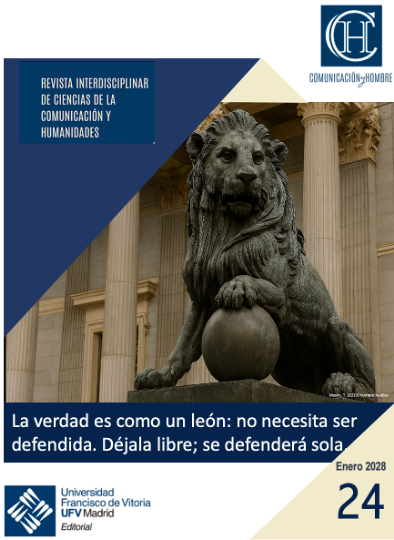
Comunicación política III.
La verdad es como un león: no necesita ser defendida. Déjala libre; se defenderá sola. (San Agustín)
CALL FOR PAPER