

In a context of growing digital polarization and migratory tensions, social media has established itself as a central space for the articulation of emotional discourse and the activation of physical mobilizations. This article analyzes the role of platform X in the reconfiguration of public space and the escalation of social conflict based on the case of the protests that took place in July 2025 in Torre Pacheco (Murcia). A mixed methodological approach combining quantitative and qualitative analysis of digital discourse is adopted. The corpus, consisting of 300 posts on X, allows us to examine the relationship between digital discourse, collective emotions, and urban action, as well as the structure of the ecosystem of actors involved. The results show that X functioned as a strategic space for constructing the narrative of insecurity and threat, as well as for the transition from digital activism to physical protest. The predominant emotions identified were fear (34%), indignation (27%), and desire for justice (20%), along with a high presence of polarized discourse (41%). The communication ecosystem was characterized by marked asymmetry, dominated by anonymous ideological accounts (35%), far-right pseudo-media (28%), and regional political leaders (22%). In addition, 30% of messages incorporated explicit elements of digital collective action linked to urban mobilization. The study shows that the hybridization between the digital and the urban intensifies social fragmentation and exclusionary identity boundaries, jeopardizing social cohesion and democratic legitimacy in contexts of migratory conflict.
Research

From Discourse on X to Urban Protest: Emotions, Polarization, and Public Space In Torre Pacheco
December 16, 2025
January 16, 2026


Colabora en los próximos números de Comunicación y Hombre
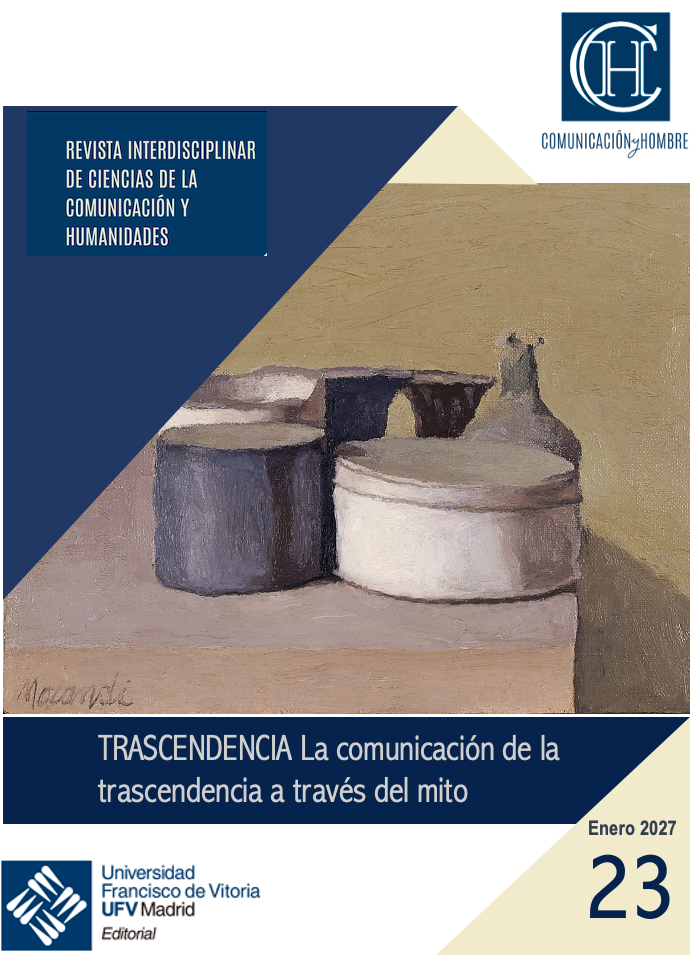
La comunicacion de la trascendencia a través del mito
CALL FOR PAPERS
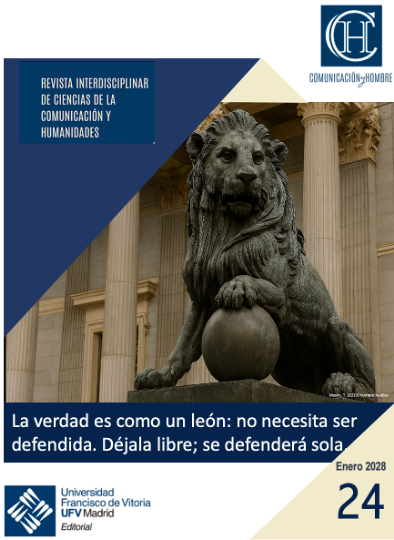
Comunicación política III.
La verdad es como un león: no necesita ser defendida. Déjala libre; se defenderá sola. (San Agustín)
CALL FOR PAPER